



Is Memory Chip Profitability the Best Bet for Investors?

Memory chip profitability is becoming a focal point for investors as Bank of America makes bold predictions. Retail investors are increasingly turning to leveraged semiconductor ETFs, raising questions about future trends in AI computing power and technology sectors.
Understanding Memory Chip Profitability
Memory chip profitability has emerged as a critical factor for investors navigating the semiconductor market. As artificial intelligence and advanced computing technologies continue to grow, the demand for memory chips is expected to soar. This has led to a renewed focus on the financial health of companies producing these essential components.
According to recent analysis by Bank of America, memory chip profitability is poised to dominate market trends in the coming years. The firm highlights several key points regarding this sector:
- Increased Demand: The surge in AI applications requires more robust memory solutions, driving up sales for manufacturers.
- Market Dynamics: Supply chain improvements and reduced production costs are enhancing profit margins.
- Investment Opportunities: Retail investors are increasingly turning to leveraged semiconductor ETFs as a way to capitalize on this trend.
As companies adapt to meet the rising needs for memory chips, understanding the intricacies of memory chip profitability will be vital for investors. The ongoing technological advancements suggest a potential counter-rally in the broader tech sector, making this an exciting time for those interested in semiconductor investments.
Retail Investors and Semiconductor ETFs
As retail investors look for promising opportunities in the stock market, the memory chip sector has become a focal point due to its potential for high profitability. With Bank of America emphasizing that memory chip profitability will dominate market trends, many are turning their attention to leveraged semiconductor ETFs. These investment vehicles provide exposure to a diversified range of companies involved in the semiconductor industry, which includes memory chip manufacturers.
Investors are particularly optimistic about the resurgence of AI computing power and technology advancements, which could drive demand for memory chips. This has led to a notable increase in the popularity of semiconductor ETFs among retail investors, who believe that these funds will yield significant returns in the near future.
However, while the prospects for memory chip profitability appear bright, it’s essential for investors to conduct thorough research and consider market volatility. As the technology landscape evolves, the performance of these ETFs may vary based on external factors such as supply chain issues or shifts in consumer demand.
- Key considerations for investors:
- Market trends in semiconductor technology
- Potential risks associated with leveraged investing
- Diversification within the semiconductor sector
The Future of AI Computing Power
The future of AI computing power is intricately linked to advancements in memory chip profitability. As artificial intelligence continues to evolve, the demand for high-performance memory chips is expected to surge. This growing need is driven by the requirement for faster data processing and storage solutions, essential for AI applications ranging from machine learning to data analytics.
Analysts suggest that companies investing in memory chip technology could see significant returns as AI adoption expands across various sectors. The emphasis on enhancing memory chip profitability is becoming a focal point for many semiconductor companies, as larger profit margins can be achieved through innovation and efficiency improvements.
Several key trends are shaping this landscape:
- Increased AI Workloads: The rise of AI applications necessitates advanced memory solutions that can handle larger datasets.
- Technological Advancements: Innovations in memory chip design and production methods are expected to improve profitability.
- Market Demand: As industries adopt AI, the demand for reliable and efficient memory chips will continue to grow.
Ultimately, investors looking at the semiconductor sector should consider memory chip profitability as a key indicator of potential growth in AI computing power.
Market Trends in Technology Investments
As the technology sector evolves, market trends indicate a significant shift towards memory chip profitability as a focal point for investors. Analysts at Bank of America predict that this profitability will not only dominate the semiconductor market but will also become a key driver of broader technology investments.
Recent data shows a surge in retail investor interest in leveraged semiconductor ETFs, which offer exposure to this booming sector. This trend is largely fueled by the growing demand for high-performance memory chips, essential for advanced computing applications. Investors are increasingly drawn to the potential returns associated with memory chip profitability, positioning themselves ahead of anticipated market movements.
In addition to memory chips, there is speculation about a counter-rally in AI computing power, which could further amplify investment opportunities. Experts suggest that as AI technology becomes more integrated into various industries, the demand for efficient memory solutions will rise, bolstering the profitability of memory chip manufacturers.
In conclusion, with memory chips at the forefront of technological advancements, investors are keenly watching market trends, ready to capitalize on the potential returns that enhanced memory chip profitability promises.
Bank of America’s Predictions
Bank of America has made bold predictions regarding the future of memory chip profitability, suggesting it will play a pivotal role in shaping the market landscape. Analysts at the bank project that as demand for advanced memory solutions continues to grow, profitability in this sector will significantly outpace other technology segments.
The increasing reliance on memory chips in various applications, from smartphones to data centers, positions them as a cornerstone of technological advancement. Bank of America highlights several key factors that could drive this trend:
- Rising Demand: With the surge in AI and cloud computing, the appetite for high-performance memory solutions is expected to escalate.
- Technological Innovations: Ongoing advancements in chip design and manufacturing processes may enhance efficiency and reduce costs.
- Market Consolidation: Mergers and acquisitions in the semiconductor industry could lead to increased pricing power for leading memory chip manufacturers.
As retail investors increasingly turn their attention to semiconductor ETFs, the outlook for memory chip profitability appears brighter than ever. The combination of robust demand and strategic industry shifts makes this sector a potentially lucrative investment opportunity.
Counter-Rally Potential in Tech
As the semiconductor industry continues to evolve, the potential for a counter-rally in technology themes, particularly in memory chips, is gaining attention. Investors are increasingly optimistic about memory chip profitability, which is expected to play a crucial role in the broader market recovery. With Bank of America leading the charge in this outlook, many are speculating that the demand for enhanced computing power will spur a resurgence in memory chip sales.
Several factors contribute to this anticipated rebound:
- Increased Demand: As AI and cloud computing technologies advance, the need for high-performance memory chips is becoming more pronounced.
- Supply Chain Improvements: Recent efforts to stabilize supply chains are likely to enhance production capabilities in the semiconductor sector.
- Market Sentiment: The growing interest from retail investors in semiconductor ETFs indicates a favorable market sentiment towards technology investments.
Amid these developments, the potential for memory chip profitability remains a focal point for investors. If this trend continues, it may not only support individual companies but also drive broader gains across the technology sector, positioning it as a key area for future investment.
Analyzing Semiconductor Market Dynamics
The dynamics of the semiconductor market are continually shifting, influenced by various factors that impact memory chip profitability. As demand for advanced technology surges, the need for efficient and high-performing memory chips has escalated. This growing demand is largely driven by innovations in artificial intelligence, data centers, and consumer electronics, which are all reliant on cutting-edge memory solutions.
Investors are closely watching key players in the memory chip sector, as these companies are pivotal in determining market trends. The competitive landscape is characterized by:
- Technological Advancements: Continuous improvements in chip design and manufacturing processes can lead to enhanced performance and reduced costs.
- Supply Chain Challenges: Disruptions in the supply chain can significantly affect production timelines and profit margins.
- Market Saturation: As more companies enter the memory chip space, maintaining profitability becomes increasingly challenging.
Moreover, macroeconomic factors such as global demand forecasts and geopolitical tensions may further complicate these dynamics. Investors are urged to remain vigilant, as the interplay of these elements will ultimately dictate the trajectory of memory chip profitability and, consequently, the broader semiconductor market.
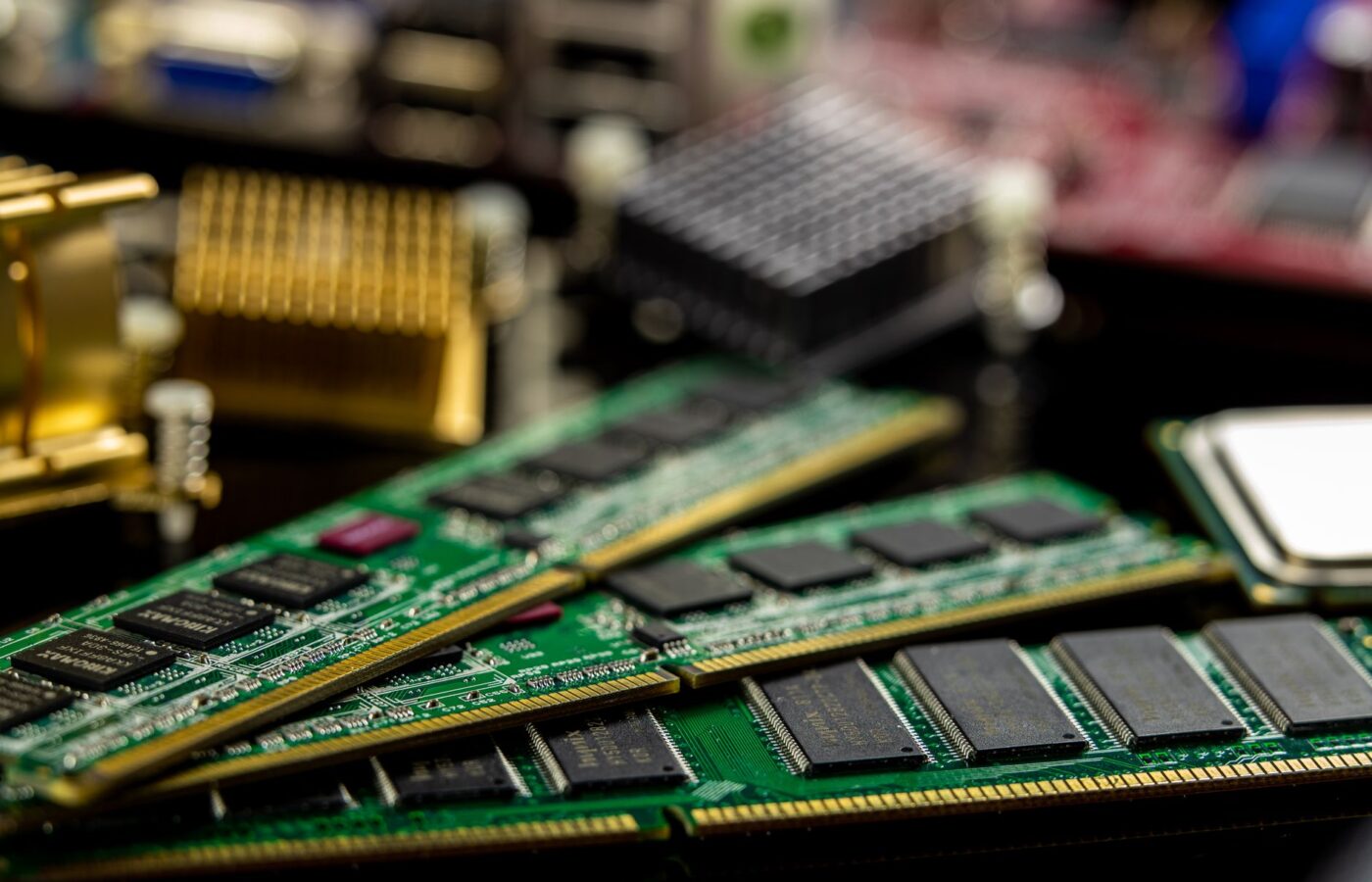
Photo by Sergei Starostin on Pexels
References
Related reading
Faheem Ashraf’s Best Performance: Pakistan’s Last-Minute Save · Andre Agassi Steffi Graf: Proven Ways to Grow Funds · IDBI Payoff: Best Proven Investment Opportunities in India
[…] Is Memory Chip Profitability the Best Bet for Investors? […]